With special guest Kristen Pressner
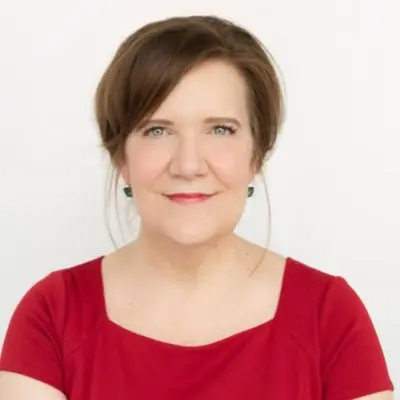
You may know Kristen Pressner from her provocative TEDx talk “Are you biased? I am.” along with her ‘Flip it to test’ framework to check unconscious bias. Kristen joins us to highlight another sensitive subject, why is it that so many people ‘can’t get it together’?
Kristen is a trailblazing people leader who believes in the potential in each of us. As Global Head of People & Culture for a prominent multinational company, her passion for equity and inclusion makes her a sought-after voice and she is often featured on international ‘Top HR Influencer’ lists. Julie Kratz and Kristen Pressner discuss: How to unlock the full potential of people to be their best, her family’s diagnosis with ADHD and how it shaped her thinking as a leader, and her journey to unlock the mystery of ADHD, neurodivergent brains and the potential consequences (including mental health).
Listen Now:


Unlocking ADHD as a Superpower
This episode features Kristen Pressner, Global Head of People and Culture for a prominent multinational corporation, and a trailblazing leader in equity and inclusion. Pressner shares the deeply personal backstory behind her new TEDx talk, “What if our understanding of neurodiversity is all wrong?” After realizing that her traditional HR and leadership strategies weren’t working with her own four children, she discovered that her entire family, except for herself, was neurodivergent. This eye-opening experience led her to question conventional understandings of neurodiversity and advocate for a more “brain-friendly” approach in all aspects of life, including the workplace.
Pressner highlights a common unconscious bias: the belief that everyone is primarily motivated by importance. Through her family’s experience, she realized that many neurodivergent individuals are instead motivated by interest, which is highly individual and fluid. She argues that the modern world, shaped by industrial revolutions, has created systems (like regimented schooling and production-focused workplaces) that are not built for neurodivergent strengths, often leading to misdiagnoses of character flaws like laziness or lack of passion.
Pressner advocates for shifting systemic approaches to be more accommodating, not just for neurodivergent individuals, but for everyone. She introduces the concept of being a “brain friend”—someone who is curious, non-judgmental, and willing to take small, individualized actions to optimize how others work and thrive. She emphasizes that neurodivergence often comes with “superpowers” like unique thinking, intense creativity, and resilience, which are valuable assets in any organization.
Key Takeaways:
- Neurodiversity is Misunderstood: Neurodivergence often doesn’t look like what many people assume it does, and there’s a widespread misunderstanding of its manifestations.
- Motivation by Interest vs. Importance: While many assume importance is the primary motivator, neurodivergent individuals are often more driven by personal interest, challenging conventional approaches to engagement.
- Systemic Misfit, Not Character Flaw: The “failure to launch” or “can’t get it together” often attributed to neurodivergent individuals stems from systems (like schools and workplaces) not being built for their strengths, rather than a character flaw.
- Be a “Brain Friend”: To be an ally, adopt a “brain-friendly” approach: be curious, non-judgemental, and willing to make small, individualized accommodations to bring out the best in others.
- Neurodivergent Superpowers: Neurodivergence brings significant upsides, including unique thinking, hidden connections, flexibility, resilience, and intense imagination and creativity, which are highly valuable in the workplace.
- Accommodations Benefit All: Tweaks to systems to accommodate neurodivergent individuals, such as flexible work hours or quiet spaces, often benefit neurotypical people as well.
Actionable Allyship Takeaway:
When someone seems to be struggling to “get it together” in baffling ways, approach the situation with curiosity and non-judgment instead of assuming character flaws. Ask questions about how they are best optimized, recognizing that their brain may simply be wired differently, and be willing to make small, individualized interventions to bring out their best, which can lead to significant positive outcomes for everyone.
Follow Kristen’s work at https://kristenpressner.com/ and find Julie at https://www.nextpivotpoint.com/
Full Episode Transcript Available Here
Julie Kratz
Welcome to the Diversity Pivot podcast. I’m your host, Julie Kratz, and this season we will be unpacking real trends, hot topics in the workplace around allyship and inclusion. Our goal is that each week you leave with tangible tools. Information, practical strategies that you can take back to analyze your organization. Let’s dig in to this week’s topic. The listeners. Oh, this is such a joy for me. I’m fangirling right now because I’m with Kristen, Prester for today’s interview. And I first met Kristen’s work through her Ted talk. Are you biased? I am, along with her flippant to test IT framework to check unconscious bias as a tool. We mentioned all the time in our workshops and how to be a better ally and how to manage your bias, and it’s just very, very candid. It’s very vulnerable. It’s a great talk and she actually has a new talk coming out and that we’re going to talk about today. And the subject we’re going to talk about today is why so many people can’t get it together. Kristen is a trailblazing people leader who believes in the potential of each of us. She is the global head of people and culture for prominent multinational. Her passion for equity and inclusion makes her sought after voice, and she is often featured on international top HR influencers. She’s originally from the US, has spent the last 17 years actually in Switzerland, she’s relocated there. And her provocative Ted X talk on a conscious bias, open minds worldwide, with its blend of enlightening insights, vulnerability, wisdom and inspiration. And in May 2024, Kristen returned to the TEDx stage to ask the question what if our understanding of neurodiversity is all wrong? Ah, so exciting to talk about this. So Kristen, before we dive in and with what we’re getting wrong and why people can’t get it together, tell us the back story of your current new talk.
Kristen Pressner
Well, first of all, Julie, I’m equally fangirling. I’m a big, big fan of your work, probably for at least a decade. And so it’s really a pleasure to be here. On the show with you all. So yeah, the. Background behind the talk, so I’m I’m an HR professional with 25 years of experience. I’m. I don’t want to sound unhuman, but I think I’m somebody who has a a superpower in knowing what potential people have and being able to bring out their full potential. That’s why I got into human. Resources. It’s what. Gets me high and I was going through the process of also raising my family. While I was growing in my 25 year career, 25 plus and I suddenly realized with my own four children in my own house that everything I knew about how to bring out the potential in people didn’t work on my own family.
Julie Kratz
Totally I can relate to that. As a parent of 2 1/2 of a bonus 21 year old and holy smokes. Kristen. Yeah. It’s like you try all the things that work at work. It doesn’t always work at home. I I have a good disclosure when my talks like do not try this at home. Let me try it. But it’s going to work differently but it doesn’t work so. Kristen. So tell us about the inspiration for the new talk. Tell us like, what finding that superpower in people and talking about neurodiversity, like, why that talk?
Kristen Pressner
Yeah. So I mean at its core, there was a period in time where I realized that things. I always use the analogy, you know, Instagram versus reality. The Instagram picture of my family was fabulous, but the reality a lot left to be desired. I I I watched as my children could simultaneously achieve great things and you could see the capability and potential and drive. But at the same time, in our house, a lot of things felt way harder than they. Had to be. And honestly, I found it baffling. We spent so much time looking for wallets and keys and homework assignments, or racing to meet long since forgotten or procrastinated deadlines. And I came to the conclusion that it almost felt like. Everybody but me wanted to do things in the hardest mode possible. And over the course of that period, I realized something wasn’t right. And as I started to unravel what wasn’t right, what I discovered at the end was that my family was neurodivergent every single one of them, except for me. I was the odd man out. And what was doubly surprising to me. Is that neurodivergence didn’t look. Anything like what I thought it should look like or or would look like and so I thought, wow, here’s somebody who by the nature of my job and my background educationally, probably would have had the best chance of understanding what was going on. And if I missed it, what does that mean for everybody else? Out there. And so at that. Point. We embarked on a journey as a family and and I and I do have permission from my family to share this information in, in this talk and we came to the conclusion that if there was anything we could do to make that journey of awareness and discovery and what to do next easier for people than what we experienced we wanted. To do that. So thus, the TEDx talk was born.
Julie Kratz
Yeah. Oh my gosh. I can only imagine how surprising that must have been to feel like I’m different than the rest of my family. What’s going on? And I think Neurodivergence is the first place you go in your mind, right like that. That makes sense that you wouldn’t have guessed that and would have been surprised. And as a mom of an autistic kiddo, you know, I I can empathize like, it’s it’s been a journey. And luckily we have a lot of support and tools around it now. But she’s only the. So it would be a long journey for us, but I I can understand how personal this is and how it builds off of, you know, the foundation you lead with your first talk around bias. Your neurodivergence has some bias and microaggressions and misunderstanding about it. What do you wish that people understood more? About neurodivergence.
Kristen Pressner
Oh, I love that question so much and I really answer it from the lens of what do I wish I’d known? Right. And it, I would say first that Neurodivergence doesn’t probably doesn’t look like what? You think it? Looks like and So what I it in its simplest terms what I would describe, what I was seeing was. Sheer brilliance. Tons of potential amazing capability, like the possibility was endless. And then this kind of failure to launch, this inability to get it over the finish line. The the fact that things that I would find to be incredibly hard came easy and naturally to them. But things that I would. Mind and assumed to be incredibly easy and simple seemed way harder than they had to be. A couple of examples staying organized, getting started on things, seeing things all the way through it was like. There wasn’t this. I always used the term. There wasn’t this learning loop of how to make easy things get more easeful and happen at scale. And So what would I want people to know it, at least in my house, my big epiphany was there’s a formula for for getting to actions first you need motivation and then you need action and then you can have outcomes. And that formula is pretty much the same for all of us. The question is, what triggers the motivation? And there is an unconscious bias that I uncovered through this that I held and that I believe is held at scale by our world. That everyone’s motivated by importance. And so if you, you know, you and I pay our taxes so that we don’t get in trouble with the government, we make sure we do our laundry. So we have clean clothes to wear. We do what our boss asks so we can keep our job. And this is kind of the obvious undercurrent of what everyone believes the entire world works like. And the reality is important. Is. Pretty predictable and agreeable if you and I looked at a list of 10 things, we could probably put them in a similar order of importance. What I realized with my family and with a lot of neurodivergence is they’re they’re not really motivated by importance. It doesn’t have the same effect on them. They’re motivated by interest. Whether something’s interesting, whether it’s. Personally challenging whether it’s caught their attention and So what I had covered was I was beating them over the head with importance related motivators and it didn’t work. And what I realized in the end.
Speaker
Is.
Kristen Pressner
If I changed the way I engaged with them, I could get magic out, but what I had to do was engage with them through the lens of what’s interesting to them and back to that list of 10 things. Interest is very individual. It’s in the eye of the beholder. In any particular moment and as much as my heart would have loved to have for my husband and four children, found the one unlocking move for all five to make life easier for engaging in the end, what I realized was. It’s going to be individual in the moment. And that’s my job.
Julie Kratz
Yeah, totally. Yeah. Because you think that’s so interesting thing about it. Importance, right? It it might see it like the two by two matrix like what’s important and urgent. Right. Like US consultants. We love 2 by 2 is like it was urgent to it first but yeah important it’s pretty. Objective it it you know the you can get people to kind of clearly align on what’s on fire first. But interest that’s totally different. Like you said it’s very individual and so. Having to tailor your communication style and how you work with all the. Members of your family. Because the interests are all different, I can imagine that it’s a lot of work and sometimes there’s a misunderstanding about neurodivergence, and I know specifically ADHD. I believe is the diagnosis that your family. Years and and, and we should mention you know neurodivergence it’s a big umbrella term. There’s a lot of things that come into it at at the school. It’s cognitive differences and all brains are cognitively different, but divergent from a neurotypical brain. And I’m using air quotes here, that listeners, but. I wonder, Kristen like because ADHD, the diagnosis rates like it’s been so fascinating for me because people tell me, especially when they know I have an autistic child, I’m like. Now it just seems like there’s just so many more kids with ADHD. Yeah, just like, where’s this coming from? And my theory on it? And I’d be curious, your perspective is it’s always been here. We just didn’t. We weren’t aware of it. We didn’t diagnose it. We institutionalized people. So it’s it’s been there, but we’ve kind of kept it in the. You know. Kind of as a secrets off on the sides now. I’m really thankful that our our kids are growing up in a time when there is a lot more awareness and acceptance and and celebration of these differences because they bring different thinking styles, different ideas, creativity and there’s a ton of positive things that come from neurodivergence. So I just wondered and thinking about the lessons you’ve had with your family. How do leaders? How do you see this translating to the workplace with NEURODIVERGENCE and ADHD? Just how do leaders equip themselves? How do they learn about it?
Kristen Pressner
Such a great question and and you’re right, I mean, I know there’s there’s quite a hot debate out there on the increase in, in diagnosis of neurodivergence in general and quite. Honestly, I remember the first person who suggested to us that that might be what’s at play in. My family, and I’m like, no. Way, I mean, I was absolutely shocked that someone could think that that the kind of person who could write a term paper with top marks in one last minute, 12 hour marathon the night before could possibly be neurodivergent. But it I think really reflected my lack of understanding how neurodivergence can manifest and. You know, at the end of the day and you’ve mentioned it, there’s there’s a continuum that we’re all on. And I do think the diagnostic criteria doesn’t really help us here because at at its simplest form, the diagnostic criteria for something like ADHD. But many other types of neurodivergence is the level to which it disrupts the person’s daily lives. Thing and that means that people, if you’re above the line, you get a diagnosis. If you’re below the line, you don’t have it, but the reality is we’re all along a continuum. And so my newfound awareness in this space has led me to understand that if we change the way we engage with people, it would reduce the suffering. And if we can reduce the suffering, then wouldn’t that be a wonderful thing to do beyond the walls of my house? But in the world at large? And you asked for contributing factors, and I do think with the increase in diagnosis, and I do think more awareness is a big part of. But I also think the fourth industrial revolution is a big part of it as well because, you know, back in the day, in the earlier times, I mean when people were tribal and Cavemen and women, etcetera, the reality is it would have been a competitive advantage to have ADHD. A lot of the. The superpowers that you that you see there and what we’ve done is through the most recent industrial revolutions is put everyone in boxes in boxes, at school, in boxes at work. Expect people to be able to produce. And it it it plays to the strengths of some neurotypicals and it absolutely doesn’t pay play to the strengths of others. And we’ve written a narrative that they’re somehow broken, but I would argue that perhaps we’ve broken the way we run the world in a way. And so yes, exactly. That beyond the walls of my. Own house. I started to think. Whoa, what does this mean for how we engage? In our workplaces. And you would ask kind of, you know, how does that translate and what can we do? I like simple, memorable ways of looking at things and and the most impactful thing that we can do. Is to be curious and non judgmental, and to recognize that everyone’s brains are different because then this conversation and the. The the ASK the outcome that you do in order to address this, it isn’t limited to people who have ADHD or neurodiversity. It’s just a a way humans interact with one another to get the best out of one another, and so to to two practitioners who are very passionate about diversity and equity and inclusion at the end of the day, my ask, my call to action. Is that we become a brain friend. Someone who recognizes that everyone’s. And is curious and open minded and wants to find out how I bring out the best in you and is willing to lift a finger to bring out the best in you because it makes things better for all of us.
Julie Kratz
Totally. I love that term brain friend, and I thought it’s a hallmark of your new talk. So it’s a good way to look at allyship and how to be inclusive and a better friend. So interesting or So what you said about the industrial revolution. I never thought about it that way. It makes a lot of sense that you know, between how we test in schools and. All the things that we do, I was just spending time with a teenager in my local community this weekend and she was telling me all the stuff she has to do just to make it at school and she’s studying. She had five tests last week. She has an essay due this week, another set of exams for all of her subjects like. Like, when did we make school so, like, regimented and stressful? It’s like we’ve created this and it’s not getting the outcomes either. So some things not not right there, but even the workplace. Like you said, it’s been so focused on production and getting more out of people and. Having busy calendar, just like all the things that’s really difficult for neurodivergent people. I kind of seeing it through my daughter’s eyes and you’ve seen it through your family’s eyes. Like I when I look at her and just like you said, just stay curious and not judgmental. I’m like, maybe she knows. She knows a lot more things than like we do. Like, I think there’s, like things that a lot of things we’re going to learn from her experience. But sadly, the world. But the conclusion I’ve come to is that it’s not built for her. You know, the world’s not built for someone like her and. So just an everyday occurrence going to a restaurant like that’s just not something we can do right now because she just wants to run around and at school, there’s the specific interventions they have to do to make her get through a regular school day where in her typical kid will sit. And just sit there, which is kind of odd that we expect things to do that to be honest, Andy.
Kristen Pressner
Indeed. And and. But you’re exactly right. I mean, when you said the world’s not built for someone like her and I? Think. You know, again, as I was looking at this, understanding what was happening with my family and then you start to broaden the circle and you scale it, what about our schools? What about our sports teams? What about what about our workplaces? What about? Our. Communities use it could feel futile. Why bother? What can we do? It’s too messed up. It’s too far gone and. Spent about 5 minutes there and then tried to get in the place of, but what could we do? And. The conclusion that I came to was. If I’m neurotypical, then the world that we exist in today was built for me, so I have wind in my back. Something is invisibly making things more useful for me than others, and they have went in their face, my family or your daughter. Or other individuals like that it’s invisible to the naked eye, but they have wind in their face and you know, we and in people and culture are familiar with the the notion of reasonable accommodations, but at the. End of the. Day being a brain friend is basically just giving reasonable accommodations. Yeah, there’s a limit to what’s reasonable. So you know, I’m not suggesting that. Because I think this is where people go, you have to bend over backwards and turn the world upside. Down and things don’t make sense anymore.
Julie Kratz
Or we will get even more like ridiculous. Like, we’re treating these kids like snowflakes. Like, oh, dear, you know, being weak by accommodating people’s needs.
Kristen Pressner
Yeah, well, well. And it’s, it’s interesting where you went because and This is why the, you know, the title of the talk is provocative on. Purpose but I. Kept asking myself why my family couldn’t get it. And I realized once once we realized that they have a diagnosed medical condition that has biological origins, which I won’t bore you with here, unless you’re curious. Like if my family member had cancer, I wouldn’t be like, geez, get it together you. Know. And. It hit me the based on this massive at scale misunderstanding of how neurodiversity can look. We’re diagnosing character flaws. We’re deciding that people are lazy or they can’t get it together or they’re not passionate or don’t care or aren’t willing to see it through. And the worst part about it, from my perspective beyond that is so are they.
Julie Kratz
Right. Right.
Kristen Pressner
And then you think about the huge consequences of basically the feeling that my brain is trying to thwart me from something I’m trying to get done. You start to think I must be broken, and then you get the knock on topics. 60 plus percent of people with ADHD have comorbid comorbidities like depression, anxiety, eating disorders. So so we’re we’re out of the realm of how funny we’re in the realm of. Life or death?
Julie Kratz
MHM. Yep.
Kristen Pressner
And so if you want to be a brain friend, then is it reasonable for you to take a step? Yeah, that helps snowflakes, but now using my own air air quotes.
Julie Kratz
Yes, air codes, we we don’t encourage this language, but people say it. So it’s important to call.
Speaker
Exactly.
Julie Kratz
It out.
Kristen Pressner
Exactly. And you had said people say, hey, you’re treating people like snowflakes. I mean, I might have thought the same thing. Toughen them up. You know, if my if my I have a child who forgets to eat and for a long time I was thinking, well, if they get hungry enough, they’ll eat. And because that’s. How I grew up thinking. And what I realized was, is it reasonable for me to bring a sandwich around dinner time to make sure that they eat, so the best of them can come out and what I experienced in in trying this on for size inside my own family is. A pretty small. Individualized intervention on my part of being a brain friend. Those are super low.
Julie Kratz
Away.
Kristen Pressner
And bringing out the best in them. And so why wouldn’t I? And why, if and if it could go from me to expand to all of us who have wind in our back, so there should be some fuel in there that.
Julie Kratz
Really.
Kristen Pressner
We. Can use to make life a little bit more easy for someone else. Like why wouldn’t we give me the really good?
Speaker
Yep.
Julie Kratz
Reason why we wouldn’t, yeah, that question. Why? Why not like, why wouldn’t we provide the level of support that somebody needs and you know, I I’ve run into this a lot in diversity work, and of course we’re experiencing quite. A bit of. Pushback with EI in the states right now, which is so weird and whole other topic. But it it’s like, well, I had it tossed. They just need to toughen up, like, somehow because my life was tough. Everyone else needs to be. And it’s like, well, if you know what it’s like for it to be tough, why would you want that for somebody else, especially if it’s unnecessary. So I love this concept of being a brain friend. Kristen. How can organizations apply this? Because there’s one thing to have individual actions, right? But I really think we’re at this seismic moment right now and probably why we’re experiencing a lot of pushback in DI. Is because we need systems to change and systems are a lot more complex to change than individual behavior. And of course, collective, individual behavior, you know, can create a movement, but I’m just curious as the, you know, head of people for massive organization, like if you had wishes for what corporate could do better to be.
Speaker
Since.
Julie Kratz
We’re brain friendly.
Kristen Pressner
Yeah, yeah, it’s a. It’s a great question. And you know you had mentioned at the beginning my first TEDx talk, which is around flip it, to test it as a as a mechanism or a framework for recognizing if one might be biased or the situation might be biased and. For me, it was amazing to me how it changed the systemic discussion within my own company and then beyond the walls of my company because we gave words to. Call out by us without making the person feel like a terrible person, which I think is the big challenge with unconscious bias is no one wants to feel bad about themselves, and so you end up having this kind of tough conversation. But if we just have a a nice light way of testing and calling it out, then you have a shot at taking action and that action. Moving a system and changing the way you systemically behave and. So I think the first thing that I would want to do is. Again, if I didn’t see it when it was right under my nose, if I didn’t have a clue what neurodiversity actually looks like, I was out running around being an advocate as best I could cluelessly thinking I understood and thinking I knew. But I’m in my own house, scratching my head wondering what could possibly be going on. And so I want to get the word out that if you see someone who can’t get it together and that baffles you and it doesn’t make sense, maybe something else is at play. And if something because again, I threw everything I had in the book at my family through my importance lens and it didn’t do it, it it didn’t move the needle. And then when I realized how to crack the code and that things were in my hands, it did move the needle. And so I had to change my approach. It I didn’t have to work harder. I actually had to work less hard in the end because I started getting results. And So what I want to do is get the awareness word out that if if this is the thing that you’re. Serving it could be that you’re dealing with neurodivergence, and by the way, they might not know everyone who’s neurodivergent doesn’t necessarily know my family had no clue they were neurodivergent my husband was in his 40s, and so. They might not know either, and so it doesn’t matter if there’s a diagnosis. We just need to recognize that we’re all in different places along a continuum, and all address each other from a brain friendly way, which is knowing that and then saying, OK, if I’m super curious and non judgmental.
Julie Kratz
What? What would?
Kristen Pressner
I do well. A super curious non judgmental person asks questions about how you’re best optimized and then I try to live into that. And if we do this in our systems at scale. There’s quite the possibility that we could actually shift those systems in a more material way than what feels like beating our heads against the wall right now.
Julie Kratz
Totally, totally. Like I I think about the the the tweaks that we could make to the systems to make them more accommodating. And by the way, that works better for neurotypical people, usually too. Like, why does the work day have to be 8 to 5? Like why do we have to respond to emails right away? Because it’s really healthy for anybody.
Kristen Pressner
That’s exactly right.
Julie Kratz
These expectations. And you know, Christine reminds me of this conversation. I when I was a people leader, when I was back in my corporate days, I had my first neurodivergent person that worked for me. And she told me she had ADHD and she was on medication. And it was really interesting because going through this journey as a leader, I remember at first, like, oh, shoot, I don’t even know like anything about this. Right. And this was 15 years ago when we didn’t talk. About this stuff. And. When I listened to her and what her needs were, it was actually very simple, but it was a lot of the things you’re talking about, like procrastination, behavior. If she had to do like a very detail oriented like Excel spreadsheet tasks like being in the office and her fluorescent lights and having everybody noise all around you is like super not helpful to her. So. It’s like, OK, yeah. Go home and do it like, yeah, that’s. That’s where you work. Better, like, that’s fine with. Me and procrastination. We would just have prioritization meetings. It’s funny. That’s saying what you’re sharing because it’s kind of what we ended up figuring cobbling together is what was interesting to her because if she didn’t think was interesting first, but not necessarily what I thought was the most important, then she would have energy to knock out the other stuff. So it’s just fascinating what you’re talking about and kind of is illuminating on this. I think a lot of leaders. This doesn’t have to be super hard. You’re going to get more out of people. The workplace, I fully believe will be more creative, more innovative, like better decisions will be made when we embrace the full potential of all humans. And you know, 1/4 of people have neurodivergence like this is a huge part of our labor force, so getting smart. But it is just good for business.
Kristen Pressner
Ohh so much that so much that and and Julie, you you raised a really good point and I want I I haven’t made this point it feels important to. Because so far the arc of our conversation sounds like, oh, it’s tough for them. So we should make it easier for them. And if I’m an employer, I’m in the background going. Hey, man, there’s a limit to how much accommodating we can’t do. We can’t. We can’t just accommodate 25% of. The workforce for. Sport, but what felt really important to me in my discovery was and here I I love. To flip it to test it, we talk about. Neurodivergence ADHD in this case through the lens of an important world. So we say, you know, they’re. All over the. Place they’re inconsistent. They’re out of control. And I did that. I said I looked at. The downsides of ADHD through the lens of an importance rule. But if I flip it to test it and say not look at things through the importance world, but through the lens of what are their true superpowers, well then it’s not all over the place. It’s able to focus on sudden unexpected things. It’s not inconsistent, but able to change. Strategy. Try new things and respond quickly. And it’s not out of control, but having a body that’s full of drive because it floods easily with adrenaline and and those things it brings unique thinking, it it brings hidden connections that are revealed that the rest of us don’t see. It brings being flexible and resilient and quick to master new things and to be intensely imaginative and creative. So there’s a metric ton of upside there that any employer should be grateful to have. And if it only if the return on the investment is that for telling someone, they can use headphones or do the spreadsheets at home or you you make the order of their work so they get a dopamine hit doing something interesting before the boring thing like who cares?
Julie Kratz
Does it really matter? Like why are we creating these unnecessary parameters and rules? That’s another thing I love how you just flipped it. So that was so perfect to flip it to test it, which listeners flip it to test it.com is an awesome website with persons for stock and tools. It’s so good it works so well and you just did all those paid and negative stereotypes. Could be easily flipped into positive ones, agile. Yeah, creative like all these wonderful things that they bring and because the workplace and all of our systems were designed, you know, by the dominant group to work with the group. It does put that lens on things and thinking about everything from a neurotypical perspective instead of defaulting to what if we thought about it from the other? Perspective. So thanks. Thanks for writing me in on that. I I I love to finish on a positive note in this conversation and I just admired your work for so long. So this has been a wonderful conversation. I’m so glad that you had this. I think what is so unique about you is? I think a lot of leaders in corporate are very fearful about admitting their biases and admitting their laws. Like I couldn’t figure out my family. Like, that’s pretty raw stuff, but you really lean into it, and it’s such a model for all of us to be like, well, she can admit it. I can admit it too. And so thank you, because that is so important. Creating space for other people and other allies in the world. So so thankful for your work, Kristen, tell our listeners how they can engage with you. Follow your work, your new Ted talk, all the good stuff.
Kristen Pressner
Thank you, Julie. I’m I’m really touched. I I am literally just a person who keeps figuring out. I haven’t got it all figured out and wanting to pay my lessons forward. So I appreciate the nice and kind words. So as we’re recording this, my talk is not yet out, but you can search for Kristen Presner on YouTube and you can find. Both of my talks there and my big ask to everyone would be can we each just try to be a brain friend to one another and open up the dialogue in our organizations about neurodiversity, how it looks, and how we can play a role in bringing out the superpowers that are associated?
Julie Kratz
I love that yes, and flip it to test.com great one for the previous talk. Ressner PRESSNER SO2S is there when you’re searching for the newest stock as well. Thanks so much, Kristen, for being on the.
Kristen Pressner
Show. Thank you, Julie. It was great to be here. Thanks. Everyone.
Julie Kratz
Thank you for listening to the. Diversity Pivot Podcast my hope is that you walked away with a tangible tool, insight or information that you can share with other allies on the job. Honey, if you liked this week’s episode, please leave us a review. Your feedback means a tremendous amount to us. We’ll be back next week with another topic.
