
Allyship Articles
Read Our Harvard Business Review Feature

Matching and Mirroring
Matching and mirroring are key allyship skillsets that help people lead with vulnerability.
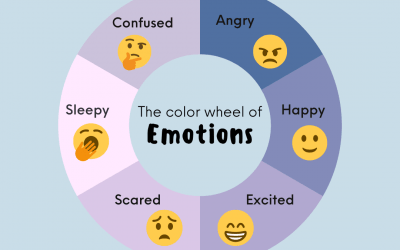
Social Emotional Learning (SEL), Not Just For Your Kids
Your kids are learning about Social Emotional Learning (SEL) in school – now learn why these skills are important for allyship and inclusive behavior.
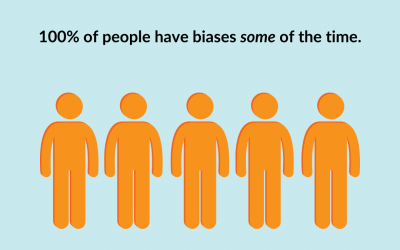
The Neuroscience Behind DEI
The brain has a huge impact on our behavior, emotions, and how we show up as allies. Learn about the neuroscience behind DEI and allyship.
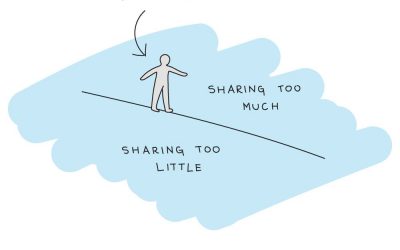
Vulnerability and DEI Work
Vulnerability is a critical skill to practice to foster DEI. Vulnerability is necessary when having conversations with people that don’t look like us, behave like us, or seem to have a lot in common with us.
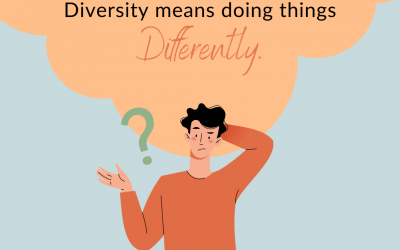
Diversity Work Means Doing Things Differently
Diversity work means doing things differently than you have done in the past. You cannot keep doing the same thing expecting different results.
Empathy, Not Sympathy, is Critical to DEI
Empathy, not sympathy, is critical to DEI work. People do not want your pity, they want your respect and understanding.

Perspective Taking is Critical to DEI
Taking on the perspective of others is a critical DEI skill. You cannot wear someone else’s shoes, you only try to understand where they are coming from.
Barriers to Allyship at Home
There are three main barriers to leading with allyship at home which cause people to withdraw from the DEI conversation.
Address Your Unconscious Bias
Address your unconscious bias to help foster DEI at work or at home. Follow these three steps to learn how to acknowledge and address your biases.
Why share pronouns
Pronouns signal to others you want to be an ally. They open the door to inclusive conversations. Learn how to lead like an ally and properly share your pronouns.