
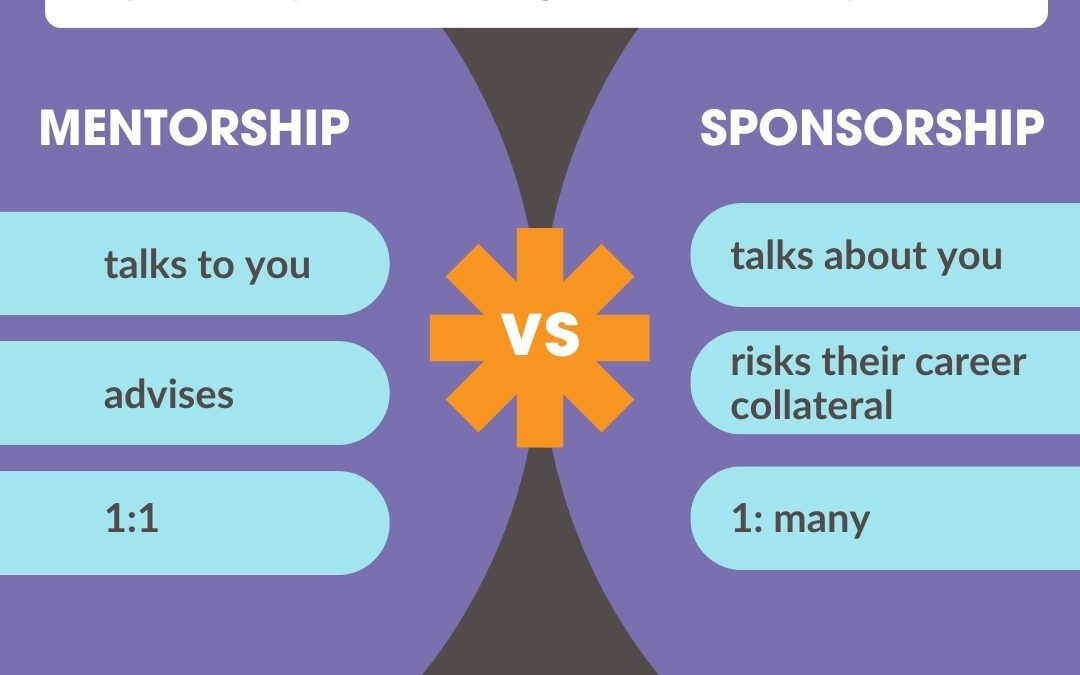
The terms “mentorship” and “sponsorship” are often used interchangeably, yet they represent distinct relationships with different dynamics, goals, and impacts on career progression. While both are invaluable for professional development, understanding their core differences is crucial for leveraging them effectively. Yet, there are nuances that separate them: talking to you versus about you, advising versus risking career collateral, and the 1:1 versus 1:many nature of these powerful allies.
Talks to You vs. About You: The Direction of Advocacy
One of the most fundamental distinctions between a mentor and a sponsor lies in the direction of their advocacy. A mentor primarily talks to you. Their role is to provide guidance, share insights, offer advice, and help you navigate challenges directly. Think of a mentor as a trusted advisor who offers a safe space for reflection, problem-solving, and skill development. They might help you refine your resume, practice for an interview, or discuss career paths. Their influence is often felt in your personal growth and the decisions you make. The conversations are typically private and focused on your individual needs and aspirations.
A sponsor, on the other hand, talks about you. Their advocacy happens in rooms you may not even be privy to. A sponsor is someone who champions your potential to key decision-makers. They actively promote your work, highlight your achievements, and recommend you for opportunities such as promotions, high-profile projects, or leadership roles. While a mentor might help you prepare for a presentation, a sponsor will ensure the right people are in the audience and that your work gets noticed. Their influence is external, focused on creating visibility and opening doors. This “about you” advocacy is a powerful form of active support that can significantly accelerate your career trajectory.
Advises vs. Risks Their Career Collateral: The Depth of Investment
The level of personal investment and risk also clearly delineates mentorship from sponsorship. A mentor advises. They share their wisdom and experience, helping you make informed decisions and develop your capabilities. While their advice is invaluable, their personal career is not directly on the line if your endeavors don’t pan out. Their investment is in your growth and development, but the consequences of your choices largely remain yours. They offer a safe space for experimentation and learning, providing a sounding board without directly bearing the weight of your professional outcomes.
A sponsor, however, risks their career collateral. When a sponsor advocates for you, they are essentially putting their own reputation and influence on the line. If they recommend you for a critical project, and you underperform, it can reflect poorly on their judgment. This shared risk means a sponsor has a vested interest in your success. They are not just offering advice; they are actively investing their social and political capital in your advancement. This higher level of commitment often means a sponsor will push you harder, provide more direct feedback, and ensure you are prepared for the opportunities they present, as your success is, to some extent, tied to their own. This willingness to risk their own standing for your benefit is a hallmark of true sponsorship.
Is 1:1 vs. 1:Many: The Scope of Influence
Finally, the scope of the relationship often differs significantly. Mentorship is typically a 1:1 relationship. It’s an intimate, often long-term connection between two individuals, where the mentor provides personalized guidance and support to one protégé. The focus is on the individual’s specific needs, challenges, and aspirations. While a person can have multiple mentors for different aspects of their life or career, each mentorship relationship is usually a distinct, bilateral connection.
Sponsorship, conversely, can be described as a 1:many relationship, not in the sense that one sponsor has many protégés simultaneously, but rather in the ripple effect of their influence. A single sponsor, by championing you to a broader network of decision-makers, effectively expands your reach to “many” key individuals. While your direct interaction with your sponsor might be 1:1, their advocacy opens doors and creates opportunities within a wider organizational or industry landscape. They can introduce you to powerful people, recommend you in various forums, and essentially vouch for you across multiple platforms. This expansive reach, facilitated by a single influential individual, is what makes sponsorship a potent force for career advancement, allowing you to access a network that would be challenging to build on your own.
While both mentorship and sponsorship are vital for professional growth, they serve distinct purposes. Mentors nurture your development through direct guidance and advice, acting as a sounding board and confidant. Sponsors, on the other hand, actively champion your potential to a wider audience, putting their own reputation on the line to create opportunities for you. Recognizing these differences allows individuals to strategically seek out both types of relationships, building a robust support system that not only helps them navigate their career but also propels them forward.
What are some specific challenges you’ve faced when trying to start mentorship and sponsorship programs for inclusion? Check out Next Pivot Point’s training resources for program and strategy ideas to start or revamp your own allyship program.