
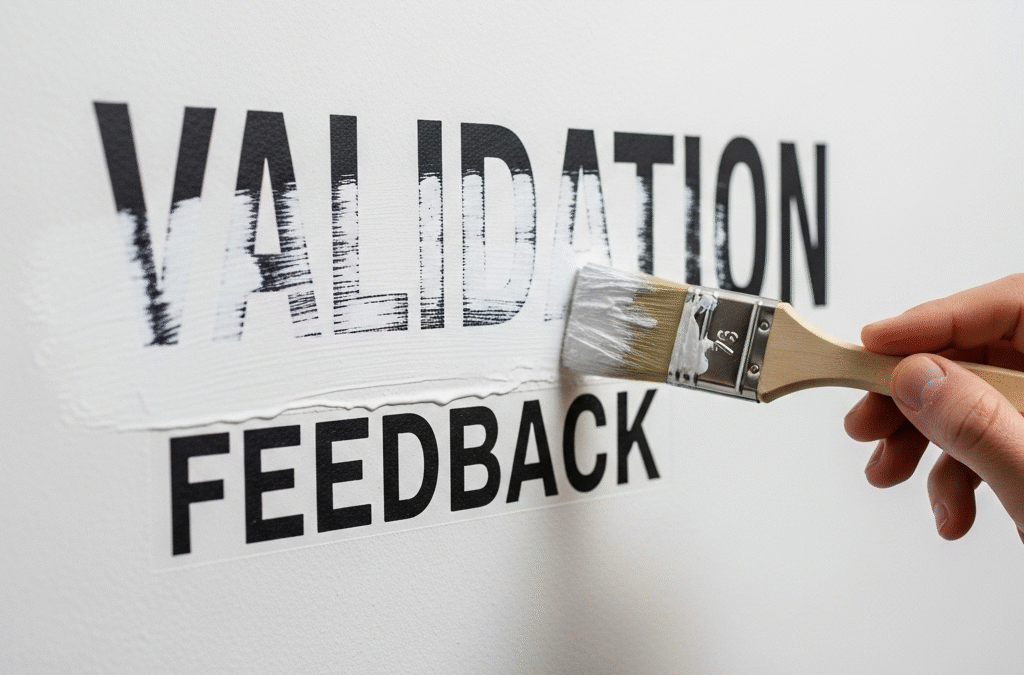
One of the trickiest parts of leadership is knowing when and how to give effective feedback. Even when you’re ready to give feedback, you’ve got your notes, you know exactly what you want to say, and you’re confident that your advice will be helpful, it can still fall flat. The other person recoils, shuts down, or simply says, “That’s not helpful.” 😩 You’re left wondering, “What went wrong?”
I recently experienced this myself on a soccer weekend with my 11-year-old daughter, Jane. We were in the car, our shared sanctuary where she opens up about everything. She had a tough game and was frustrated that her coach wasn’t giving her any personal feedback. So, at the next game, I watched her closely, scribbling notes, ready to offer some “expert” advice on the car ride home.
It was a disaster.
She grimaced and said, “Mom, that’s not helpful.”
Ouch. I’m a professional! I literally teach leaders how to give feedback. However, my well-intentioned advice didn’t take hold. And in that moment of silence, I realized what I had missed: validation.
I dove right into “fix-it” mode, listing all the things she could do differently next time. I didn’t take a moment to acknowledge her feelings or her struggle. She didn’t want a lecture; she wanted to be heard and understood. This experience taught me a powerful lesson: before you can give feedback, you have to validate.
Why Validation is Important
Validation is the first step in any meaningful conversation, especially when it comes to feedback. As humans, we have a primal need to be seen, heard, and to feel like we belong. When someone comes to you with a problem, they’re often not looking for an immediate solution; they’re looking for someone to say, “I hear you. I see your struggle. Your feelings are valid.”
Think of it like building a bridge. Validation is the foundation. Without it, any feedback you try to offer will fall into the chasm of misunderstanding. When we skip this step, the other person feels unheard and dismissed. They put up their defenses, and nothing you say after that will get through. This is what happened with Jane. I skipped the foundation, and my bridge of “helpful” advice collapsed before I could even cross it.
Validation builds trust and rapport. It shows the other person that you’re not just there to critique or “fix” them. You’re there to support them. It creates a safe space where they are more likely to be receptive to what you have to say. When someone feels validated, they feel respected and understood, which makes them more open to hearing different perspectives or suggestions.
What Validation Looks Like
So, what does validation actually look like in practice? It’s not about agreeing with everything the person says. It’s about acknowledging their feelings and perspective.
Here are a few ways to validate someone:
- Listen actively: Put away your phone, make eye contact, and truly listen to what they’re saying without interrupting or formulating your response. Don’t be in a hurry to jump to solutions.
- Empathize: Try to take on their perspective. Acknowledge their feelings, even if you don’t fully understand them. You can say things like, “That sounds really frustrating,” or “I can see why you’d be upset about that.”
- Playback what you heard: This shows you’re listening and helps you ensure you’ve understood them correctly. For instance, you could say, “So what I’m hearing is that you felt unseen by your coach and wanted more specific guidance.”
- Affirm their experience: Use phrases that affirm their feelings, like “It makes sense that you feel that way,” or “That’s a tough situation.”
Validation is a practice of empathy and humility. It requires you to set aside your own agenda—your need to “fix” the problem—and prioritize the other person’s emotional state. It’s about being present with them in their discomfort.
Practice Scenario
Let’s go back to my car ride with Jane. Instead of launching into my pre-planned feedback, here’s how I could have handled it differently:
Jane: “I’m so frustrated. I am not getting any personal feedback.”
Me: * (Instead of saying, “Well, here’s what you need to do…”) * “That sounds really tough, honey. It must feel frustrating when you’re working so hard and don’t feel like you’re getting the guidance you need.”
See the difference? In that moment, I’m not offering a solution. I’m offering empathy. I’m validating her feelings. I’m letting her know that I see her struggle and that it’s okay for her to feel that way.
After she feels heard and seen, the dynamic shifts. The defenses come down. She’s more likely to be open to a conversation, and then I can ask, “Would you like me to share a few things I observed?”
This is the key to giving feedback that actually lands. Start with validation. Lead with empathy. We all have a deep-seated need to be seen and heard. By prioritizing this, you’re not just giving feedback; you’re building a stronger connection, whether it’s with your child, a colleague, or a friend. The next time you’re about to give feedback, remember Jane and my car ride. Pause, validate first, and then proceed. You’ll be amazed at the difference it makes.
Like this content? We have 40+ workshop topics to align with your organization’s needs.