
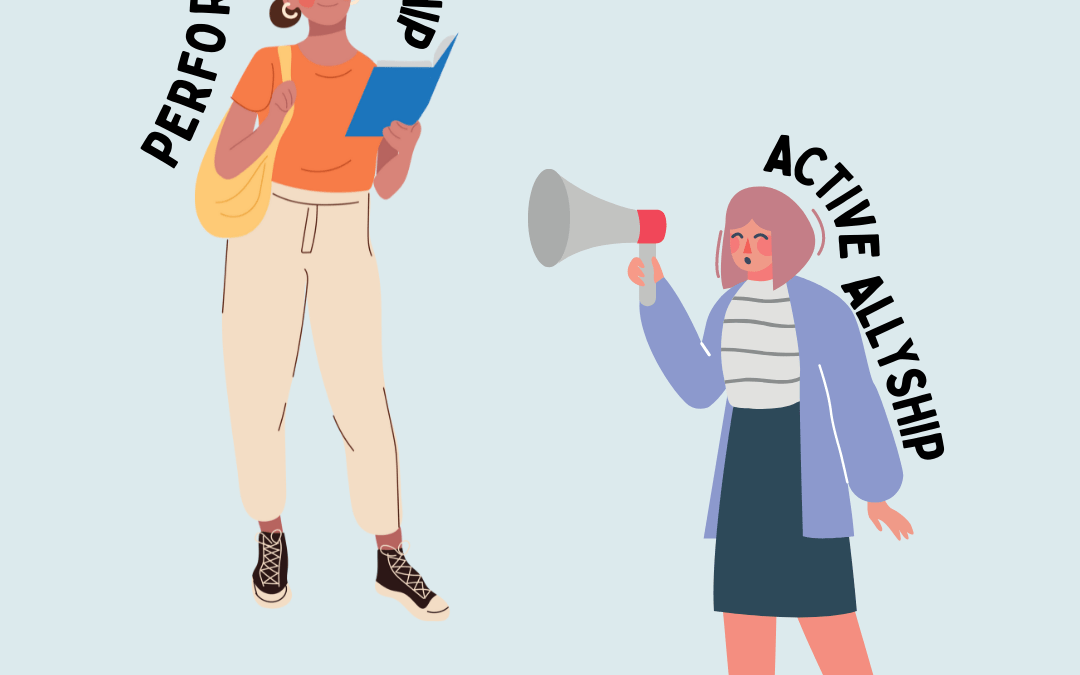
I was leading an allyship program discussion with a client this week, and someone candidly asked, “How do I know if I am being a good ally?” To which, I did not have a great answer at the moment.
In reflection, ally is not a title you give yourself—it is a label granted to you by the people you support. At Next Pivot Point, we often hear from leaders who are committed to diversity and inclusion but find themselves wondering: Am I actually making a difference, or am I just performative?
The transition from a well-intentioned leader to an active ally is marked by a shift in behavior. It’s moving from passive agreement to active intervention. But because allyship is a continuous practice rather than a destination, it can be hard to measure. It’s a series of consistent, intentional behaviors and actions.
I believe allyship is about using your privilege and power to advocate for others. If you are looking for evidence that your efforts are taking root, look for these three critical themes: people seek you out for support, your team feels safe enough to challenge you, and your ally retention—the longevity of your inclusive relationships—is strong.
1. People Come to You for Support
One of the most immediate indicators of effective allyship is the referral rate of your support. When employees from underrepresented groups face microaggressions, career roadblocks, or systemic hurdles, do they seek you out?
Trust is the currency of allyship. If people see you as a safe harbor, it’s because you have consistently demonstrated empathy and confidentiality. Being a good ally means you aren’t just a fair-weather friend; you are someone who has shown a willingness to listen without centering your own feelings.
When someone comes to you, take note of how they approach you. Are they asking for your perspective because they trust your judgment? Are they asking you to use your seat at the table to amplify their voice? If you are frequently the person in the room that others rely on to bridge the gap between leadership and the workforce, you are likely practicing active allyship.
2. Your Team Challenges You Openly
Perhaps the most counterintuitive sign of a good ally is the presence of healthy conflict. If your team never disagrees with you, or if members of underrepresented groups always nod in agreement with your DEI initiatives, you might have a psychological safety problem.
Real allyship creates an environment where people feel safe enough to tell you when you’ve missed the mark. I often speak about the importance of candid conversations. If a colleague feels comfortable saying, “Hey, when you said X in that meeting, it actually felt a bit dismissive,” or “I think your plan for this project overlooks the needs of our remote staff,” consider that a win.
Why? Because it means they trust you enough to know that you won’t retaliate. They believe you are committed enough to growth that you will take the feedback and change your behavior. A good ally doesn’t aim for perfection; they aim for accountability. If you are being challenged, it’s a sign that your team views you as a partner in progress, not a fragile authority figure who needs to be handled with kid gloves.
3. Your Ally Retention is Strong
We often talk about employee retention, but ally retention is just as vital. Allyship isn’t a one-off event or a social media post during a specific awareness month. It is a long-term commitment.
How do you know if your ally retention is strong? Look at your relationships over time. Are the people you’ve mentored or sponsored still in your circle? Are they progressing in their careers? Do they continue to view you as a resource years later?
Allyship is a marathon, not a sprint. It’s about the baby pool before the deep end. Strong ally retention means you haven’t burned out on DEI work when it stopped being trendy. It means you have stayed in the foxhole with your colleagues during difficult cultural moments. When your allies-in-training see you staying the course, they are more likely to stay engaged themselves. If you have a track record of long-term advocacy—where you continue to check in on colleagues even after a crisis has passed—you are building a sustainable culture of inclusion.
Moving From a Good to Great Ally
If you recognize these three themes in your leadership, you are on the right path. However, the work of an ally is never done. To continue your growth, consider these three action steps inspired by the Next Pivot Point philosophy:
-
Audit Your Circle: Look at who you spent time with this week. If everyone looks, thinks, and acts like you, it’s time to intentionally expand your network.
-
Practice Active Listening: In your next one-on-one, focus entirely on the other person’s experience. Ask: “What is one thing I could do to make your work experience more inclusive?“
-
Share the Spotlight: Allyship is often about stepping back so others can step forward. If you are offered a high-visibility opportunity, ask yourself if there is someone from a historically marginalized group who is equally qualified and could benefit more from the exposure.
The Bottom Line
Knowing if you are a good ally isn’t about checking a box or receiving an award. It’s found in the quiet moments of trust, the uncomfortable moments of feedback, and the long-term consistency of your support.
When people come to you, when they challenge you, and when they stay with you, you aren’t just practicing allyship—you are changing the culture of your organization from the inside out.
Your Next Pivot Point
Are you ready to stop checking boxes and start changing systems? The future is inclusive, and you don’t want to be left behind as a future leader. That is why I offer a free allyship training for you and/or your organization by subscribing to our weekly, no-spam newsletter. You can catch new thought leadership in my Allyship in Action podcast interviews, too.