
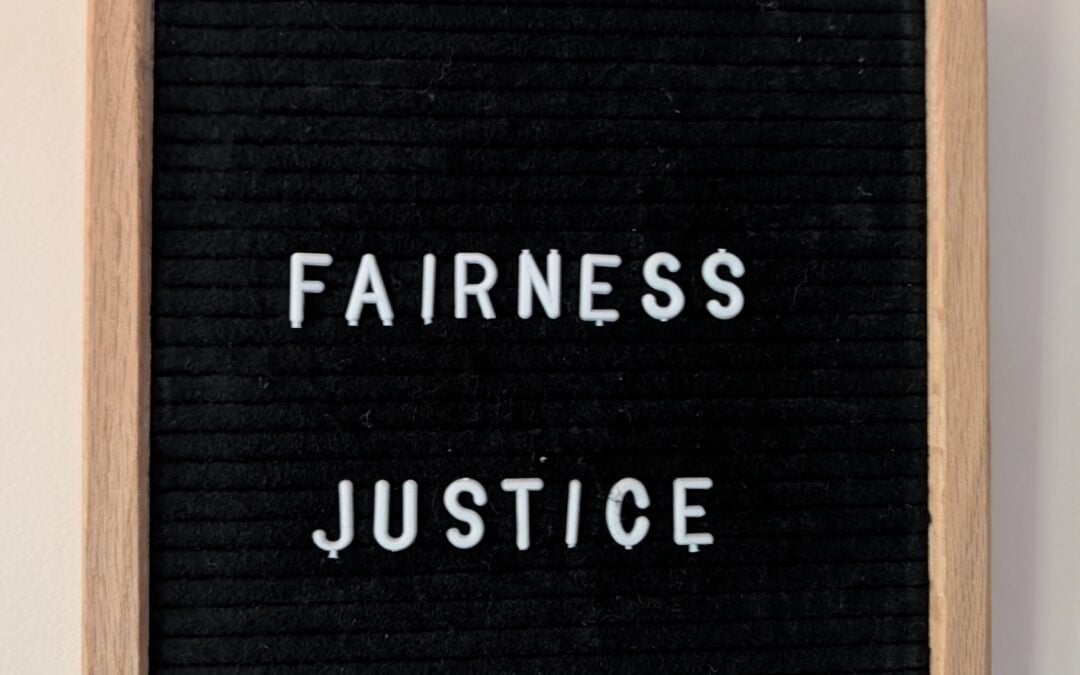
My leadership values are justice and fairness. I care about decisions being fair and outcomes being just. I like accountability for behavior.
Leadership values shape how we work. When working with leaders on leadership values, I like to start by asking folks to look in the mirror.
Leadership, like allyship, is not a title, a desk, or an impressive badge on LinkedIn. It’s a series of daily, intentional behaviors. How you show up for your team, how you navigate uncertainty, and how you advocate for others all stem from one foundational root: your leadership values.
You can’t advocate for others or lead authentically if you haven’t clearly defined what you stand for.
Determining your core leadership values isn’t an academic exercise. It’s an active, ongoing discovery process. Here is how you can identify, define, and operationalize your leadership values to become a more effective, inclusive leader.
1. Reflect on Your Personal Backstory
Every single person you manage, mentor, or work alongside has a backstory. That backstory shapes how they process information, handle conflict, and show up at work every single day.
The exact same thing is true for you.
To uncover your leadership values, start by reflecting on your own journey:
-
Peak Experiences: What were the moments in your career where you felt most fulfilled, energized, and aligned? What principles were present during those times?
-
Pivotal Challenges: Think about the tough boss, the toxic work culture, or the project that fell apart. What made those situations feel wrong? Uncovering what upset you often reveals your core values in reverse (e.g., frustration with micromanagement usually signals that you value autonomy and trust).
-
Role Models and Allies: Who were the leaders who opened doors for you, mentored you, or advocated for you when you weren’t in the room? What traits did they possess that you strive to emulate?
Your values are forged in these pivot points. Pay attention to the recurring themes—they are the compass guiding your leadership style.
2. Shift from “Intent” to “Impact”
It’s easy to pick a few noble words off a list like integrity, empathy, or transparency and call them your values. But real leadership requires operationalizing those words into daily practices. Brené Brown has a great list to get you started here.
Ask yourself: “How does this value manifest in my everyday actions?”
For example:
-
If you say you value inclusion, do you actively seek out underrepresented voices in meetings, or do you default to the loudest person in the room?
-
If you value psychological safety, how do you respond when a team member makes an honest mistake? Do you offer feedback with empathy and directness, or do you react with frustration?
-
If you value accountability, are you holding yourself to the same standards you expect from your direct reports?
Your true leadership values aren’t defined by what you intend to do. Leadership values are defined by the experience your team has working with you.
3. Stress-Test Your Values in Times of Chaos
It’s easy to live out your leadership values on a smooth Tuesday afternoon. The real test happens when deadlines shrink, budgets are cut, or organizational changes hit.
Chaos acts as a mirror. Under pressure, leaders often fall back on unconscious bias, quick fixes, or self-preservation. To determine if a value is genuinely core to your identity, evaluate how it holds up when things get uncomfortable:
-
Which values are non-negotiable? Identify 3 to 5 core values that you refuse to compromise, even when facing tight deliverables or difficult conversations.
-
Where do your values conflict? Sometimes values clash, such as balancing compassion with high performance. Deciding how you navigate those trade-offs clarifies your priorities as a leader.
Leading through uncertainty requires clarity. When you know your non-negotiables, decision-making becomes much simpler.
4. Seek Honest Feedback and Listen
Inclusive leadership is a continuous journey. Being an ally has no fixed destination. Because we all have blind spots, determining your values requires outside perspectives.
Ask your peers, mentors, and direct reports:
-
“When do you see me at my best as a leader?”
-
“What words would you use to describe my core principles?”
-
“Where do you see a gap between what I say I value and how I show up?”
Great leaders ask questions, and then actively listen. Don’t get defensive when you receive feedback. View it as critical data to help you align your aspirational leadership values with your actual workplace impact.
5. Turn Your Leadership Values into Allyship in Action
Once you have identified your core leadership values, the final step is turning them into advocacy.
If your values stay locked inside your head, they don’t help your team grow. Leadership isn’t about protecting your own power. Leadership values help you use your influence, privileges, and platform to amplify others.
When your leadership values are clear:
-
You become a better mentor and sponsor to emerging talent.
-
You build psychological safety where people feel safe bringing their authentic selves to work.
-
You make fairer, more equitable talent and business decisions.
Determining your leadership values isn’t something you do once and check off a list. It’s an ongoing commitment to self-reflection, continuous learning, and intentional behavior.
Take time this week to write down your two primary core leadership values. Define what they look like in practice, share them with your team, and invite them to hold you accountable. When you lead with value-driven clarity, you create a ripple effect that transforms not just your team, but your entire organizational culture.
Your Next Pivot Point
Are you ready to stop checking boxes and start changing systems? The future is inclusive, and you don’t want to be left behind as a future leader. That is why I offer free allyship training for you and/or your organization by subscribing to our weekly, no-spam newsletter. You can catch new thought leadership in my Allyship in Action podcast interviews, too.