Startups need to focus on inclusion efforts early because diversity only gets harder with scale
With 41% of employees globally saying that they are thinking about leaving their current job, the lure of entrepreneurship has hit a chord. Unhappy, yet gainfully employed folks are realizing that purpose and connection with work matters. It always likely mattered, and like many trends, the post-pandemic world shined a big light on connection and purpose in work. With social isolation, remote work, and longer work days, the cumulation of these factors has created an opportunity for folks to rethink work.
4.4 million start-ups were founded in 2020 and this number is expected to grow. The optimist in me hopes that this is a good thing for diversity and inclusion. But it also could be a very bad thing. 72% of founders are white men with socio-economic and many more privileges. Women and people of color are a fast growing segment of entrepreneurs, yet still overshadowed by the majority group in small business ownership.
Affinity bias in startup environments
A main challenge in many startups with building a diverse workforce is that people tend to attract and hire talent like them and people already in their network that look like them. This is called affinity bias, some call it similarity bias. We like people like us. Whether that is race, gender, or other dimensions of diversity, it is problematic, especially in the early start-up to scale up days. There has to be an intentional, consistent focus on diversity, otherwise well-intentioned business owners risk hiring mini-me’s that look and often behave just like them and will never challenge the status quo.
It may feel easier to work with people like you, and the downside is that you sacrifice the divergent thinking that fosters more innovation, better decisions, and growth. It is true that the first few hires are likely friends and family or people in your network that are likely to be like you. For businesses that intend to grow to hundreds of employees, there is a natural pivot point that happens in scale from double and triple digits.
At 10 employees, if you lack diversity, people with diverse backgrounds are already less likely to apply or accept positions when they do not see themselves reflected in the organization. Being the only person of color, person with a disability, LGBTQ+ person, woman or gender non-binary person is exhausting. The person is often tokenized with unintentional, yet harmful behavior directed at them like “you are (dimension of diversity) – what do you think?” or “what would your people think of this” or “we didn’t mean to leave you out, we were just trying to make a decision quickly.”
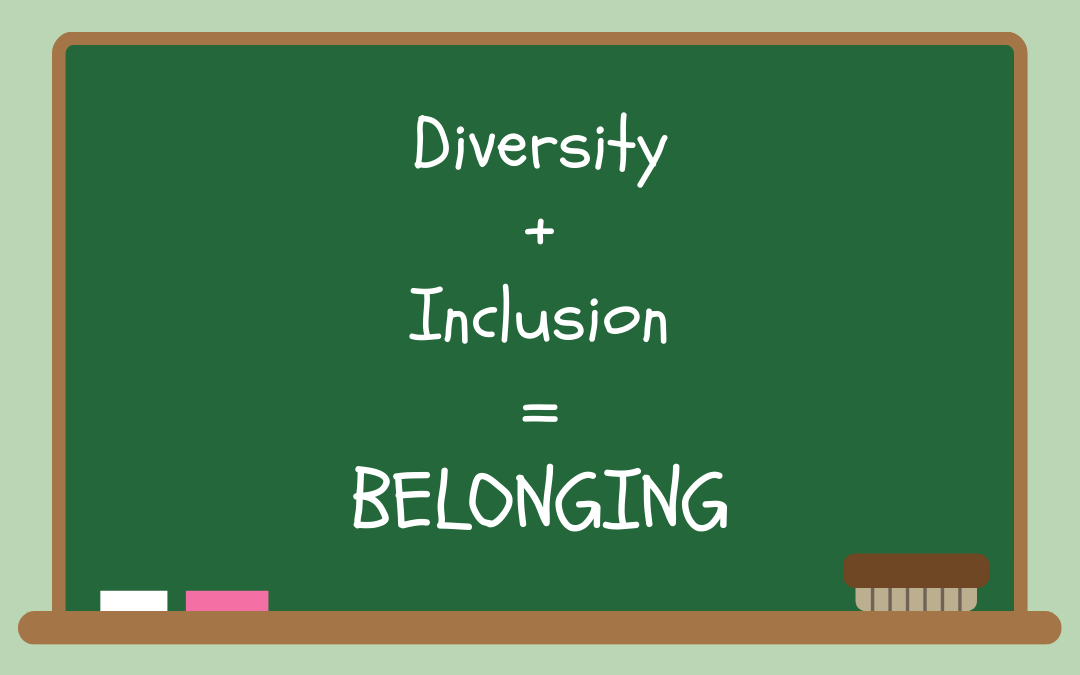
All of these microaggressions lead to a lack of belonging and inclusion which generally leads to higher turnover of folks with diverse backgrounds. Yes, decisions can take longer with a diverse team. And, they tend to be better decisions that drive better business outcomes.
The question to ask to balance your team is “what perspective are we missing?” or “how are we mirroring the community and the consumers we want to serve?” If there are perspectives missing or not representing those we want to serve, then there is an opportunity to get better.
An important pivot point for diversity at startups
As start-ups grow and scale from double to triple digit employees, there is a natural progression that happens with people management. With 50 or fewer employees, generally there is not an HR or formal people development leader, it can fall within the responsibilities of a member of the C-suite (CFO, COO, CMO, etc.). As the organization grows beyond 50 employees, most organizations add an HR or CPO to the team (generally a woman) to manage hiring and the employee experience. This is the pivot point for diversity. With clear ownership of people, this person must be empowered to have a consistent, intentional focus on diversity or they run the risk of perpetuating the affinity bias for hiring people “like us”.
As the organization scales to triple digit employees, there again comes a pivot point. This is the opportunity to hire a diversity officer or add a diversity program manager or diversity recruiter to the team. This person should be empowered to manage diversity programming to facilitate a culture of inclusion and belonging for existing employees while also focusing on growth that is representative of the community and those the organization wishes to serve.
Start small to foster diversity and inclusion
Baby steps matter. If your organization is not diverse and over represents the majority group, you are not alone. If this was easy, diversity would not be such a hot topic. Organizations must make diversity a part of their culture and values long-term to pivot towards real inclusion. It is not a one and done, check the box activity.
Resist the urge to hire a diversity person or hire a consultant to solely manage diversity at the organization in a silo. Without true empowerment and resources, they will be ineffective. Set the expectation that everyone cares about diversity and this is a part of everyone’s job. And, if people are not on board, there is accountability for their actions. The diversity and inclusion journey is filled with bumbles and stumbles. Be okay with risk and mistakes, as long as the team learns from it.
What’s next for startups looking to foster diversity and inclusion
Start-ups don’t usually have a big budget for training, let alone inclusion training. That is why we developed the Lead Like an Ally virtual self-paced training program, perfect for organizations scaling up. If you want to be intentional with diversity and inclusion, consider this course or schedule time with the Next Pivot Point team to discuss a custom learning plan.